Kei Apple: The Handwritten Font for Authentic Business Branding
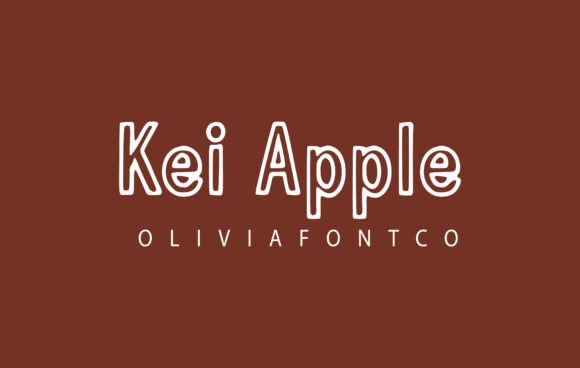
Running a small business means wearing every hat, from product creator to marketing manager. One of the most critical decisions you make is choosing the right visual language for your brand. You want something that feels personal and approachable but still looks professional enough to build trust. This is where Kei Apple, an authentic handwritten font with a romantic touch, becomes a game-changer for entrepreneurs looking to elevate their creative ideas. Unlike generic typefaces that feel cold or corporate, Kei Apple brings a human element to your digital and physical materials, making your brand feel like it was crafted by a real person.
As a fellow entrepreneur who has spent countless hours tweaking logos and designing packaging, I know how hard it is to find a premium font that balances style with functionality. Kei Apple is not just another decorative typeface; it is a strategic design asset designed to be a true favorite among creators. Whether you are selling handmade goods, running a boutique café, or offering coaching services, this display font has the potential to take your branding to the highest level by adding warmth and character to every touchpoint.
Why Personality Matters in Small Business Design
In today's crowded marketplace, customers do not just buy products; they buy into a story and a feeling. A clean, sterile font might work for a tech startup, but it often fails to connect with buyers of artisanal foods, beauty products, or lifestyle brands. This is where a handwritten font like Kei Apple shines. Its romantic and fluid strokes mimic the natural movement of a pen on paper, instantly signaling authenticity and care.
When you use Kei Apple, you are telling your customer that attention to detail matters. It transforms a standard flyer or a simple social media post into something that feels curated and special. For a small business owner, consistency is key to building recognition. By adopting a unique typeface across all your channels, you create a cohesive brand identity that stands out. Imagine seeing your logo on a storefront, then spotting the same elegant script on your Instagram stories, and finally finding it printed on your product packaging. That seamless experience builds confidence and makes your business feel established and trustworthy.
Real-World Applications for Your Brand Materials
The versatility of Kei Apple makes it suitable for a wide range of business needs. Because it is classified as a display font, it is perfect for grabbing attention without overwhelming the viewer. Here is how I have seen small businesses successfully integrate this creative font into their daily operations:
- Logos and Brand Marks: Use Kei Apple as the primary text for your logo. Its romantic flair works beautifully for bakeries, florists, bridal boutiques, and wellness coaches who want to appear welcoming and intimate.
- Product Labels and Packaging: There is nothing quite like a handwritten touch on a label. Whether you are creating custom stickers for candles, tags for clothing, or wrappers for gourmet treats, Kei Apple adds a premium feel that justifies a higher price point.
- Social Media Graphics: In a feed full of polished photos, text overlays can get lost. Using Kei Apple for headlines on Pinterest pins or Instagram posts ensures your message pops while maintaining an artistic vibe.
- Menus and Flyers: A café menu or event flyer set in this font invites customers to linger. It suggests that the content inside is thoughtful and carefully prepared.
- Thank-You Cards and Inserts: Including a note printed with Kei Apple in your shipping packages turns a transaction into a memorable experience. Customers are more likely to share unboxing videos when the typography feels personal.
For service providers like life coaches or consultants, this font can soften your image, making complex advice feel accessible and friendly. It bridges the gap between professional expertise and personal connection.
Strategic Placement and Readability
While Kei Apple is expressive, smart placement is crucial for maintaining professionalism. As a general rule, treat this font as a headline, logo, or accent font rather than a body text. Display fonts are designed to be read at larger sizes, where their unique letterforms can be appreciated. When used for long paragraphs of text, even the most beautiful handwriting can become difficult to decipher, especially on mobile screens where space is limited.
However, for short phrases, quotes, and titles, its readability is excellent. On small labels or thumbnails, ensure you use a large enough point size so the details of the script remain clear. If you need to add bullet points or detailed instructions, switch to a simpler typeface. This approach ensures your message is understood quickly while the Kei Apple font provides the emotional hook.
Mastering Font Pairing for a Polished Look
One of the biggest mistakes I see new business owners make is using only one font for everything. While Kei Apple is powerful on its own, pairing it correctly creates a balanced and sophisticated design. The golden rule of typography is contrast. Since Kei Apple is a highly stylized script font, it pairs best with clean, neutral typefaces that let it breathe.
For a modern and crisp look, pair Kei Apple with a clean sans serif font. The geometric simplicity of a sans serif complements the organic curves of the handwritten style. This combination works exceptionally well for websites, where you might use Kei Apple for the main banner headline and a sans serif font for navigation menus and body text. This ensures your site looks trendy yet remains easy to navigate.
Alternatively, if you want a more classic or editorial feel, try pairing it with a readable serif font. The traditional structure of a serif font grounds the romantic nature of Kei Apple, creating a timeless aesthetic that works great for luxury brands, wedding planners, or high-end retail stores. When selecting a partner font, keep it simple. Avoid pairing two decorative fonts together, as this can make your brand look cluttered and confusing.
Testing Before You Commit
Before finalizing your brand identity, it is essential to test Kei Apple in various contexts. Typography can behave differently depending on the medium. What looks stunning on a computer screen might lose definition when printed on textured paper or embroidered on a tote bag. Create mockups of your actual materials—business cards, product boxes, and website headers—to see how the font performs in real-world scenarios.
Ask yourself: Is it legible? Does it convey the right mood? Does it look good alongside my existing logo colors? Testing these elements early saves time and money later. Remember, the goal is to enhance your brand, not distract from your product.
Licensing and Commercial Use Considerations
As a business owner, protecting your brand legally is just as important as designing it well. When you decide to use Kei Apple for commercial purposes, such as printing on merchandise, creating templates for clients, or selling digital downloads, you must check the specific licensing agreement. Most commercial fonts require a separate license for business use compared to personal use.
Ensure you have the proper rights to use the font on your packaging, advertisements, and client deliverables. Using a font without the correct license can lead to legal issues and financial penalties. Always review the terms provided by the designer or foundry to understand exactly what you can and cannot do with the design assets. Once you have secured the right license, you can confidently roll out your new branding across all platforms, knowing you are compliant and ready to grow.
By thoughtfully integrating Kei Apple into your strategy, you are investing in a visual identity that resonates with your audience. It is a tool that helps you stand out, communicate your values, and build a loyal community around your business. Whether you are launching a new line of candles or rebranding an online shop, this font offers the romantic, authentic touch that modern consumers crave.